Learning Through the Hands
Why Creative Making Matters in Early Years Education
In early years education, I feel very strongly that learning through the hands is just as important as learning through the mind. When children cut, stitch, draw, build, or shape materials, they are doing far more than simply making things. They are developing coordination, problem-solving skills, creativity, and independence. These tactile experiences strengthen fine motor development, support early writing skills, and build confidence through experimentation and achievement.
At a time when creative subjects and practical crafts appear to be increasingly marginalised within educational settings, opportunities for hands-on learning have become more limited. Yet these are the very skills that once formed a natural part of childhood learning. Activities such as sewing, crafting, making, and construction help children understand the physical world around them, develop patience and perseverance, and experience the satisfaction of creating something tangible.
Encouraging practical creativity in the early years is not simply about preserving traditional skills. It is about nurturing capable, curious, and resilient learners who feel empowered to explore, imagine, and create. In my view, this is fundamental not only to children's educational development but also to their wellbeing, self-esteem, and sense of personal achievement.
Motivation
My motivation for developing children's art resources grew from a simple realisation: how much joy I found in making, creating, and exploring with my four grandchildren. Through spending time with them and listening to friends and acquaintances, I became increasingly aware of how little hands-on learning was available in many classroom environments. Frequently I heard about the lack of practical, creative opportunities being offered to young children, which prompted me to reflect on my own childhood experiences and how different they were.
From quite an early age, making was woven into everyday family life. Knitting, stitching, cooking, and other practical activities were commonplace in our family household. I recall watching my father build things such as balsa wood aeroplanes, learning through observation and participation.
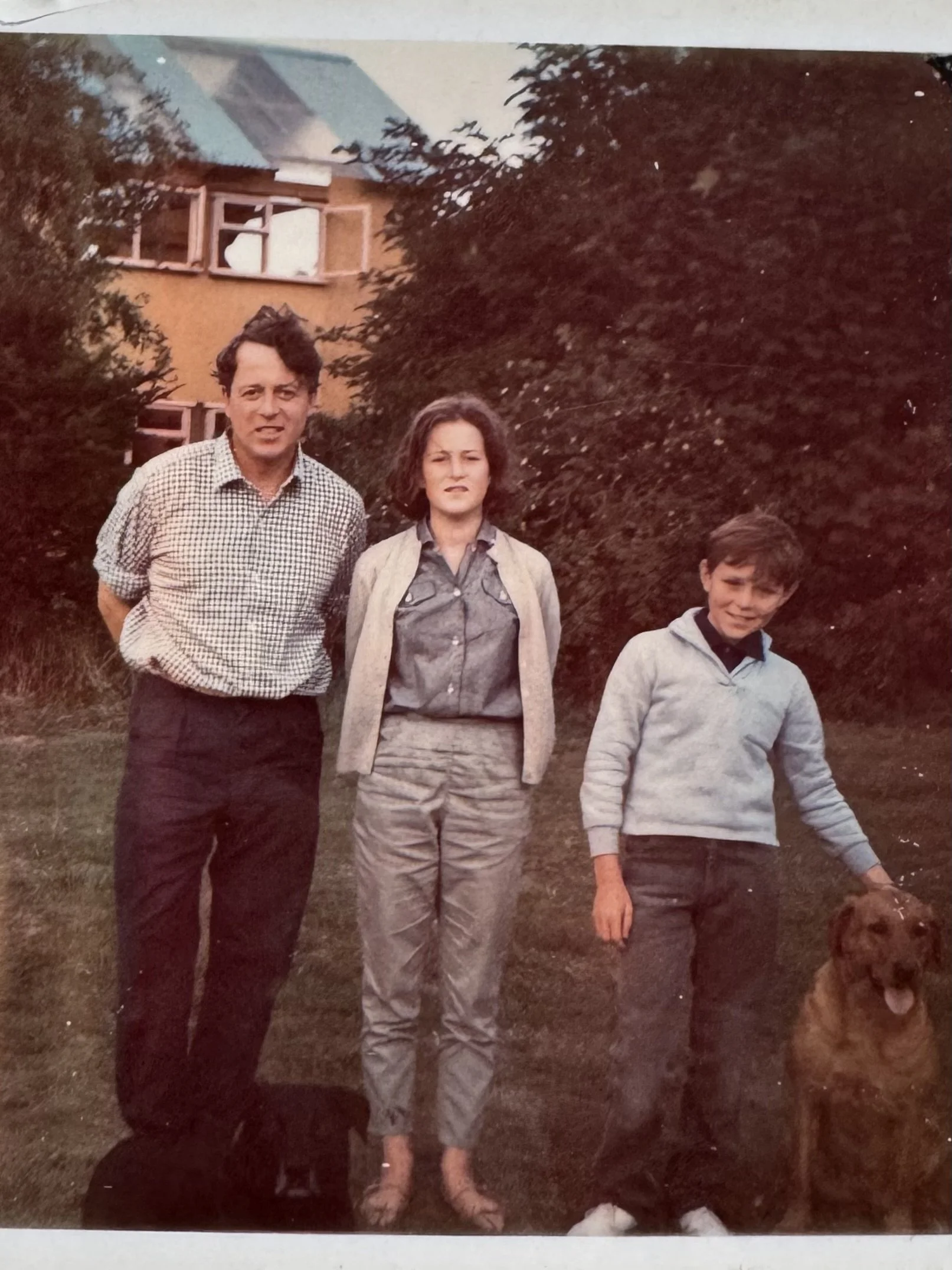
This is a photo of myself, my dad and my brother patch, plus various dogs…
There is a story of a house build but maybe ask me about that if and when you see me! These experiences shaped not only my practical abilities but also my approach to learning itself.
Creativity in Education
There’s a growing perception that creative teaching in schools is declining. I’ve certainly seen reports of this in the press, although my own family’s experience has been more positive. My grandsons attend a private school where they have an excellent art teacher, and creativity and play are a major part of the nursery education my four-year-old granddaughter currently enjoys. I can also see this emphasis on creative exploration at the playgroup attended by her 18-month-old sister.
When it comes to why subjects such as art, craft, and hands-on making may be being sidelined, we are often told there are not enough teachers with the right skills and that funding is limited. However, I also wonder whether this can be traced back to a long-standing belief that academic learning is somehow more valuable than vocational training. I remember my own daughter being almost prevented from taking sewing at school in the late 1990s, which shocked me at the time. I cannot recall the exact explanation, but I believe it was rooted in this academic-versus-vocational argument.
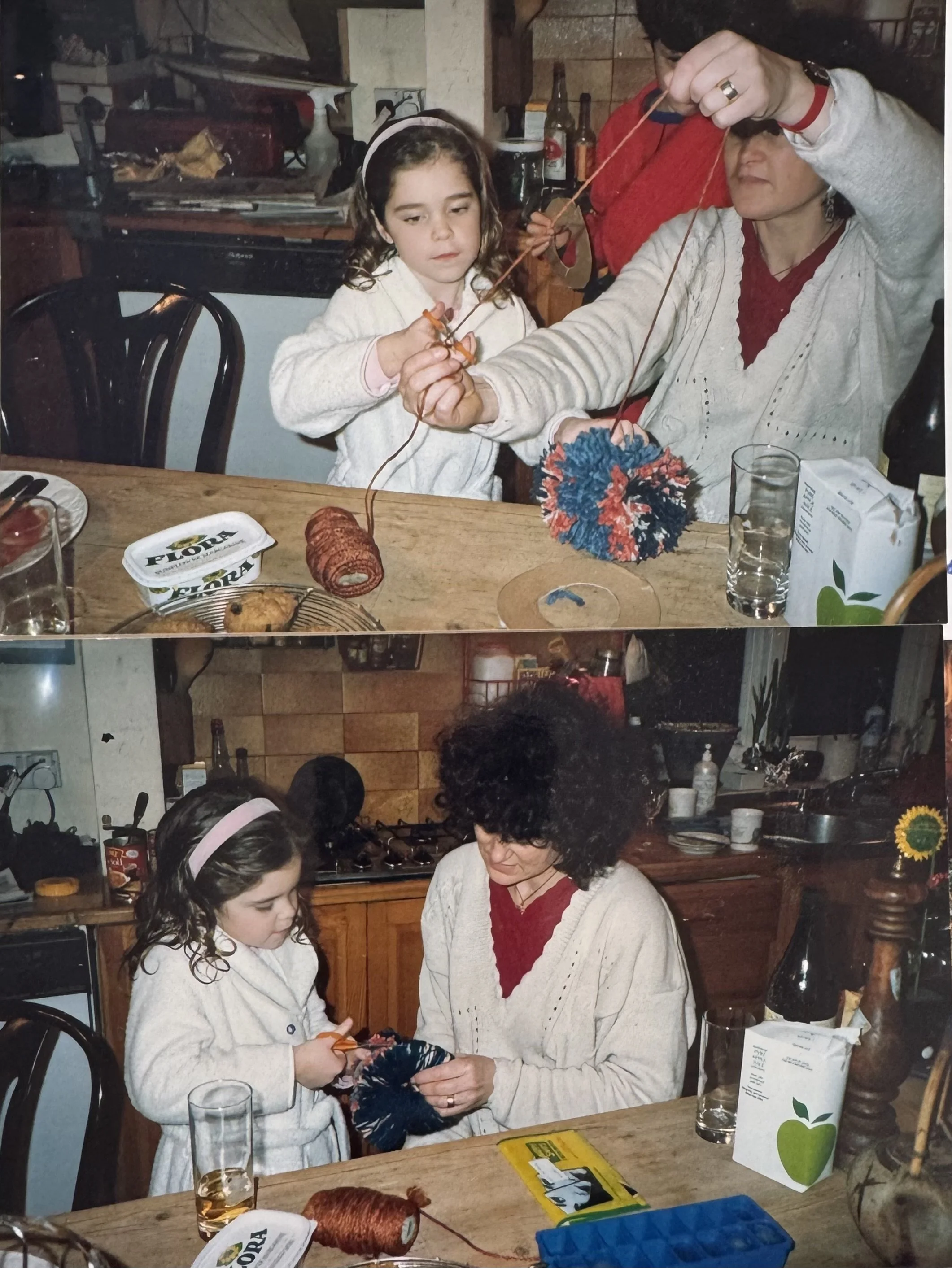
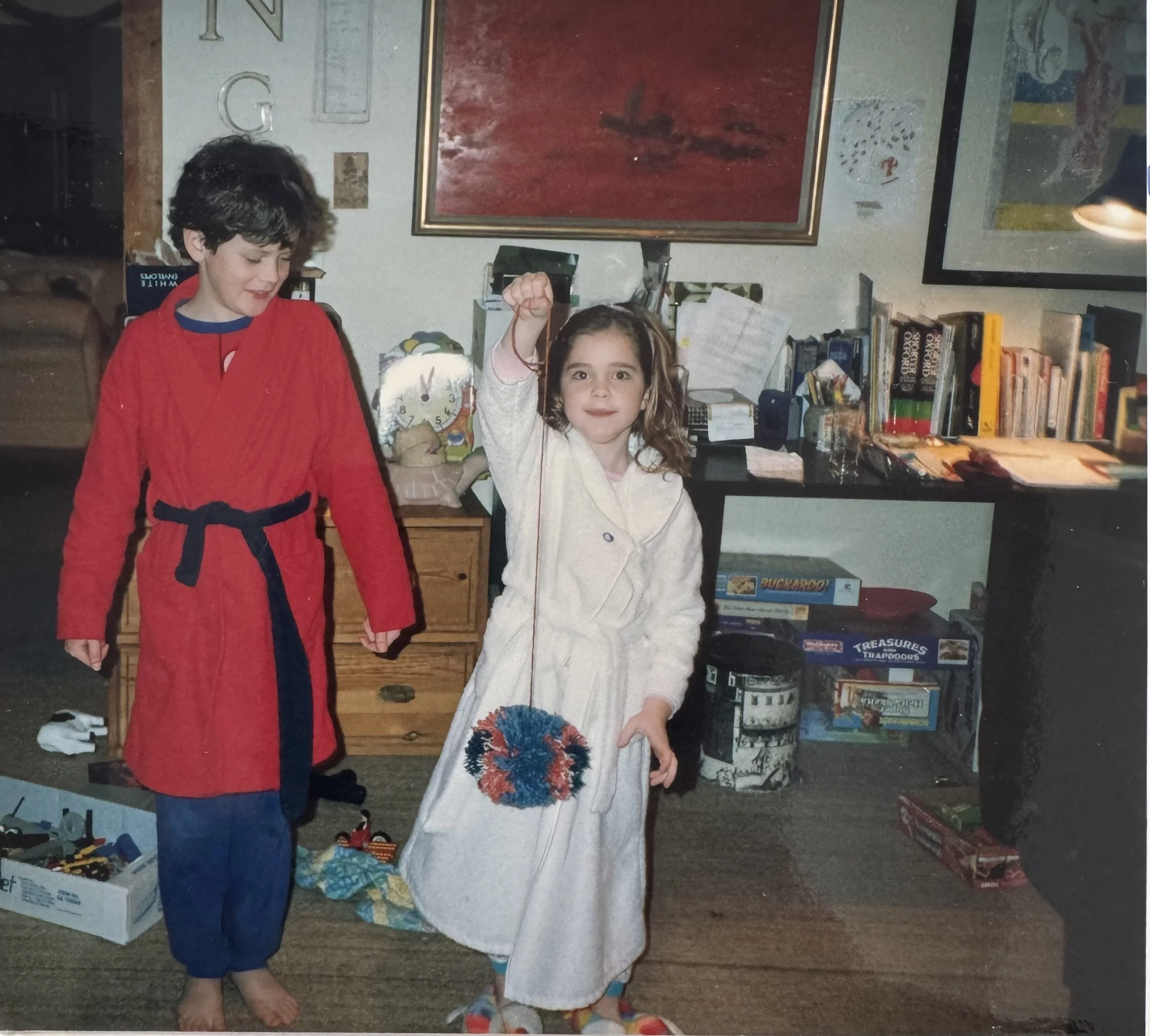
As a creative person myself, I feel that practical skills such as stitching, making, drawing, and painting are all equally important. Even if a child believes they cannot draw, there are many ways to encourage creative engagement; playing with shapes and templates, tracing around objects, or simply colouring in. Anything that helps them open their mind and connect with their hands, as well as their heart, has value.
I do think there is a connection between practical creative skills and a child’s confidence and independence, although this needs to be approached carefully. Children should not be over-encouraged or excessively praised in my opinion; rather, they should be given the freedom to explore and learn at their own pace. Adults can then help them recognise how those skills might be applied in everyday life.
I fondly remember watching a French & Saunders sketch in which they played overly enthusiastic parents determined to host a “making dinosaur biscuits” session for their children. By the end of the sketch, the parents were covered from head to toe in cookie dough, having thrown themselves wholeheartedly into the activity. Meanwhile, the children, who were completely uninterested, had wandered off and were happily occupied elsewhere, playing on a Game Boy or absorbed in a Super Mario game.
It was a wonderfully funny reminder that, sometimes, the adults can become far more invested in creative activities than the children themselves!
I often cook with my grandchildren. It is a joyfully shared activity, but it is also an opportunity for problem-solving when we halve or double recipes. On one occasion, we carefully prepared a dish together which they then refused to eat because it contained broccoli - something they strongly disliked at the time. They rejected the result, but not the creative process itself.
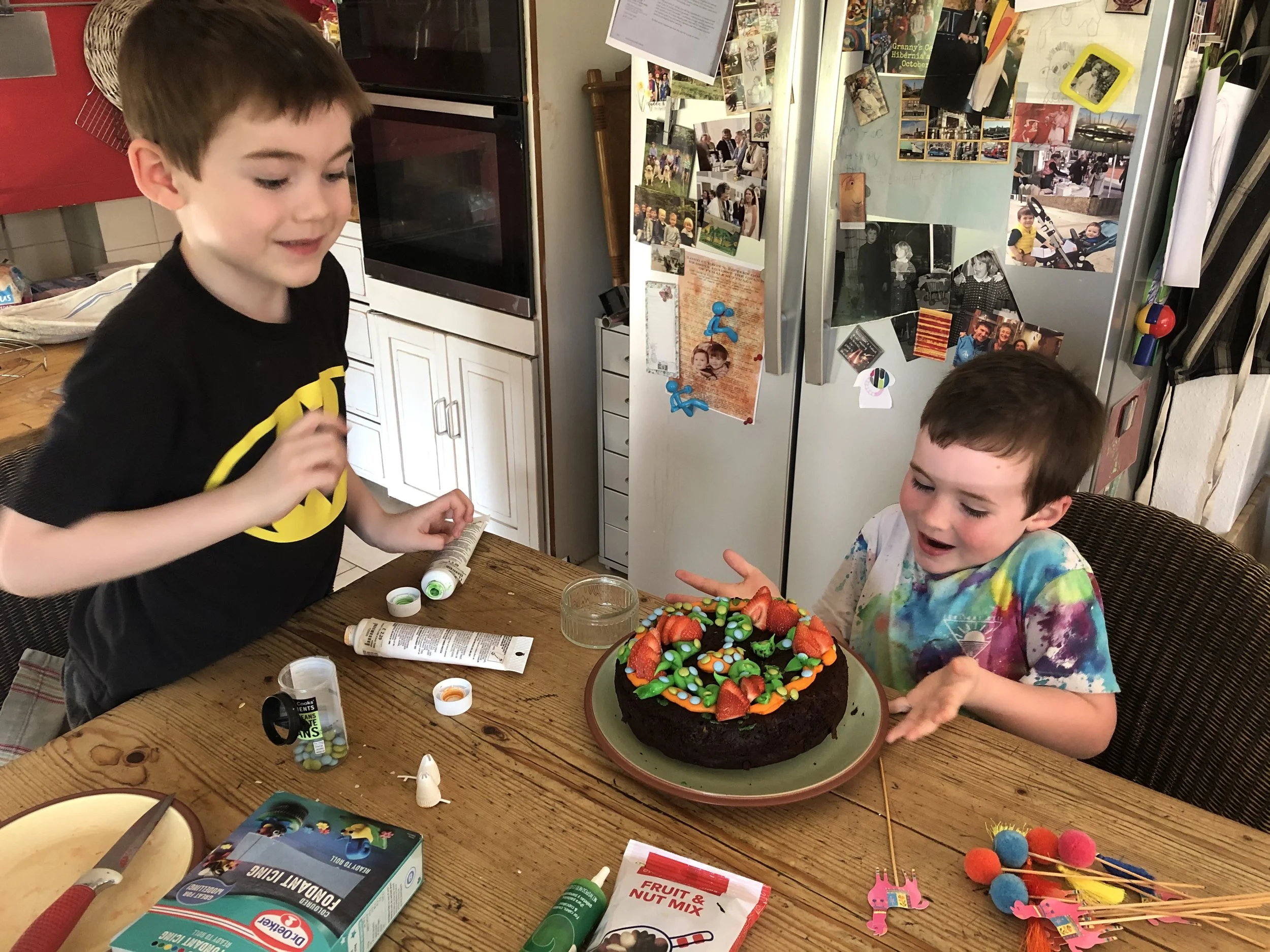
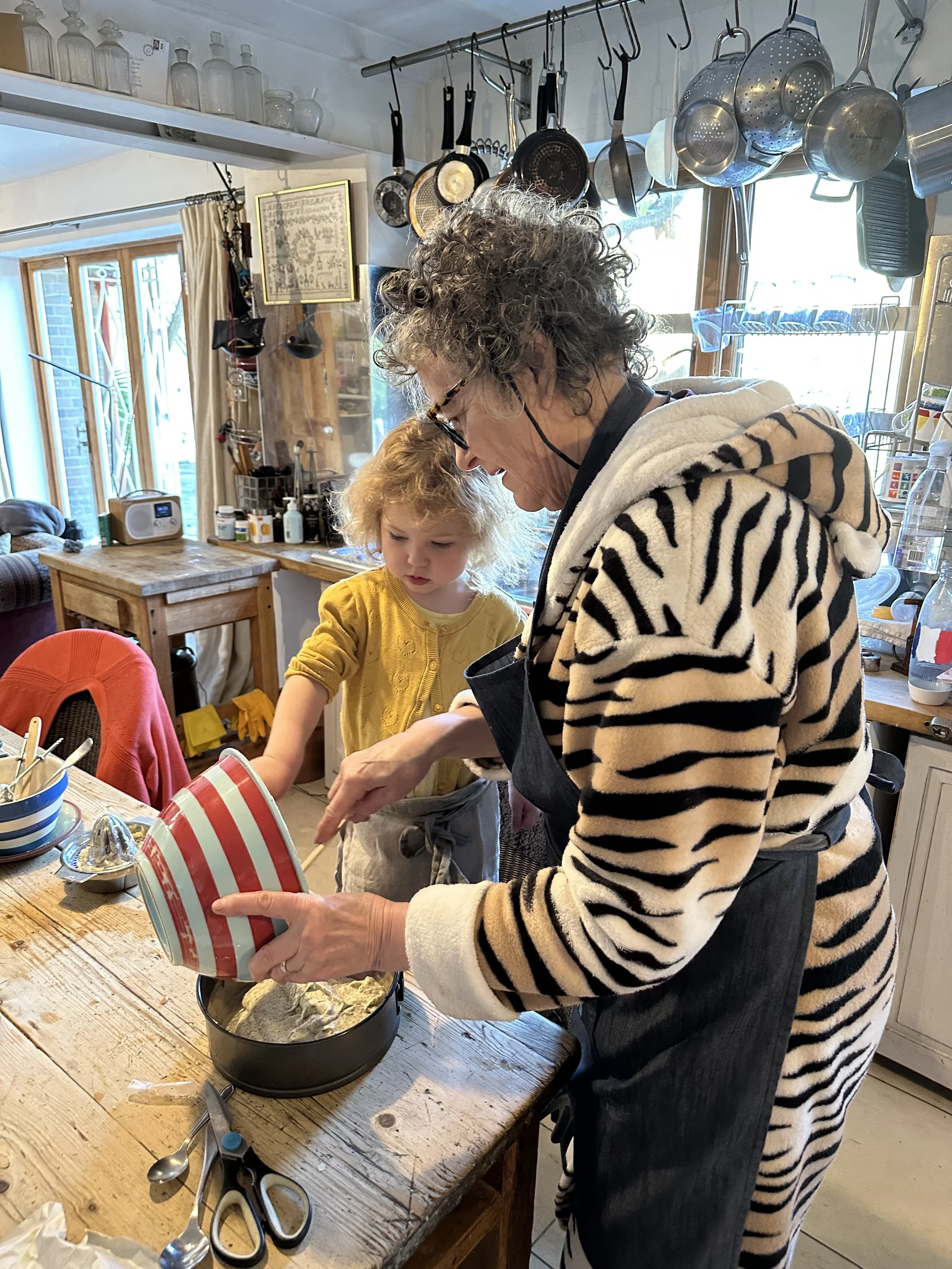
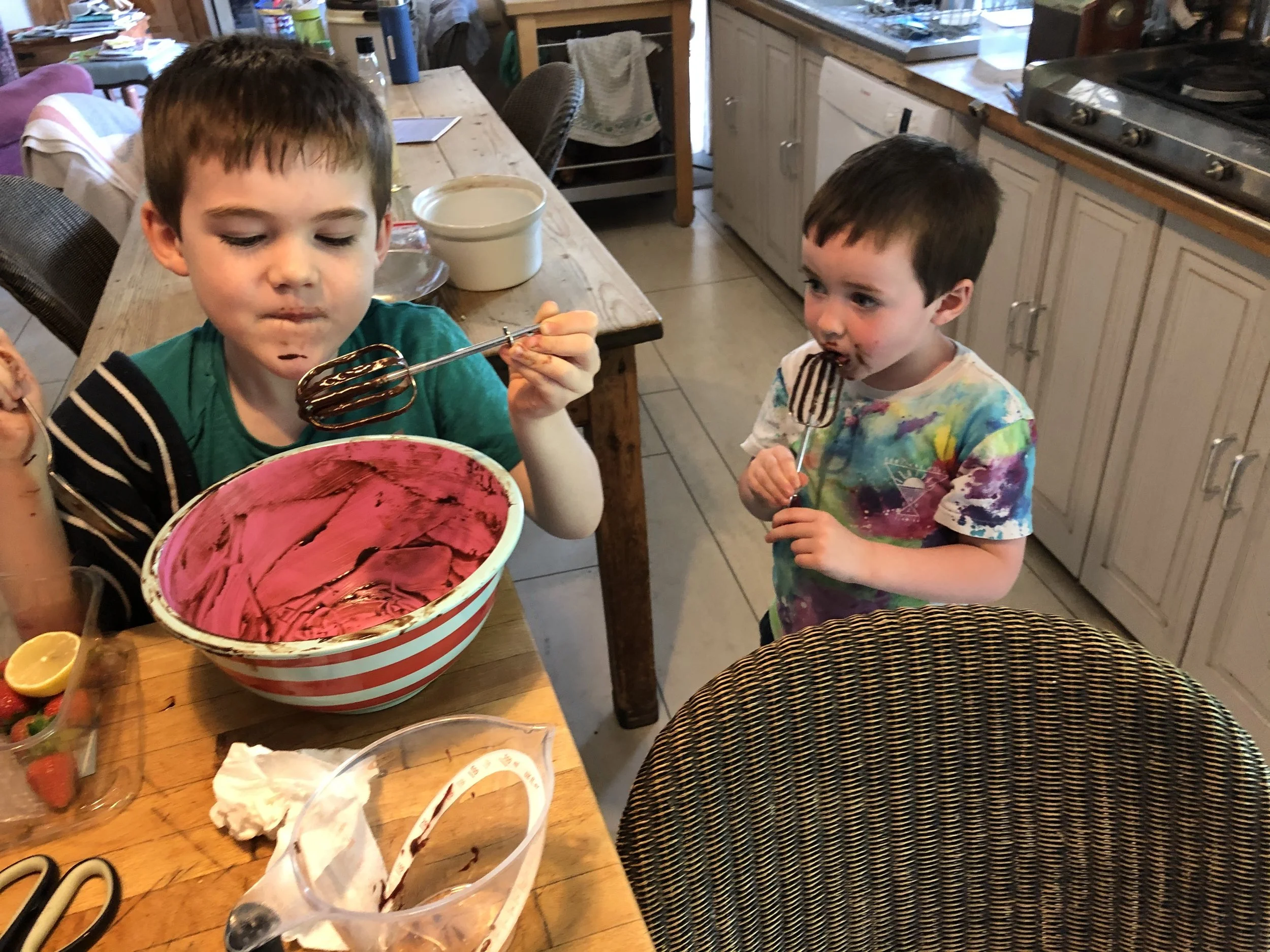
Another memory comes from when my own children were aged two and four. They would spend what felt like hours happily weighing flour, transferring it between scales and bowls. It created an enormous dusty mess, but we all enjoyed the experience. Looking back, it was a simple activity that combined play, experimentation, and learning in a way that felt entirely natural.
The Value of Creativity
Seeing my grandchildren, and indeed the wider family, including my son in law Woody, engage with the art resources I have created is incredibly rewarding.
I am thrilled to see my granddaughter engaging with them. It is also wonderful that her parents take the time to play alongside her.
This is an interesting concept for me because I can clearly remember a wooden cat I carved at my first boarding school being dismissed by the art teacher. The effect on me was quite catastrophic at the time, as I concluded that I was simply “no good at art”. It took many years before I realised, and truly believed, that I am an artist. Because of that experience, I feel strongly that anything we can do to encourage creativity and making is worthwhile and necessary. The key, I think, is that everyone remains flexible, allowing children to see things through their own open-minded perspective rather than imposing our own ideas on the activity.When children are working on my creative projects, I hope they feel curious, engaged, and eager to follow the process while also enjoying the journey of making something for themselves. The outcome is important, but the experience of discovery is just as valuable.
I also believe creativity can play an important role in emotional wellbeing for young children. Creative activities may provide an outlet for feelings they are not yet able to express in words. Because these activities are usually shared with an adult, they create natural opportunities for conversations about emotions while attention is focused on something else. I find that I am constantly learning while I am “playing” with Molly. We encourage each other, and I have become increasingly aware of the importance of stepping back and resisting the urge to make too many suggestions. Often the most valuable thing an adult can do is simply give a child the space to discover their own way forward.
Creating Children’s Art Resources
When designing the art resources for children, balancing simplicity with imagination has been very important to me. As I develop each activity, I continually pare back the instructions, removing anything that feels unnecessarily complicated. The aim is to provide enough guidance to get children started while leaving plenty of room for their own ideas and interpretations to emerge.
My focus is much more on exploration and play than on teaching specific skills. While children may naturally develop new abilities through the activities, the primary goal is to encourage curiosity, creativity, and enjoyment rather than achieve a particular outcome.
To ensure the resources are accessible to children of different abilities and backgrounds, I think it is important to test them with a varied age range and a diverse group of children. Observing how different children respond can help identify any barriers and ensure the activities remain engaging, flexible, and inclusive for as many young people as possible.
Preservation and Legacy
For a time, I did think there was a real risk of losing basic creative and domestic skills such as sewing, cutting, and making things by hand. More recently, however, I have noticed a resurgence of interest in these activities, perhaps driven by a growing awareness of sustainability and the realities of climate change. People seem to be rediscovering the value of repairing, reusing, and creating rather than simply consuming.
I really hope the art resources I am creating can contribute in some small way to this wider movement to bring creativity back into everyday childhood experiences.
At the moment, I am starting with my own immediate family and taking great pleasure in seeing the children engage with the activities. My hope is that the idea will gradually spread through word of mouth and find its way to other families, schools, and communities that can benefit from it.
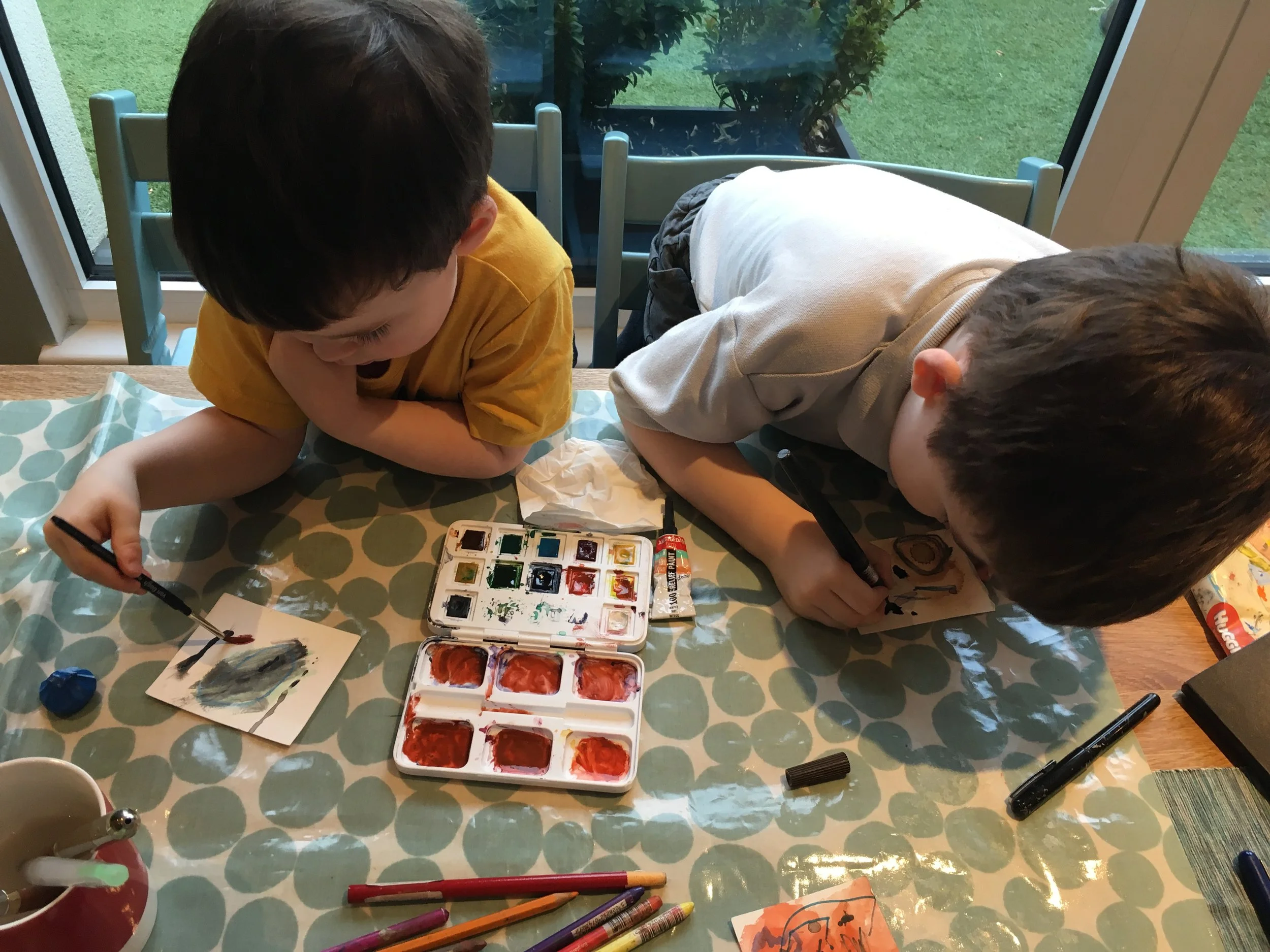
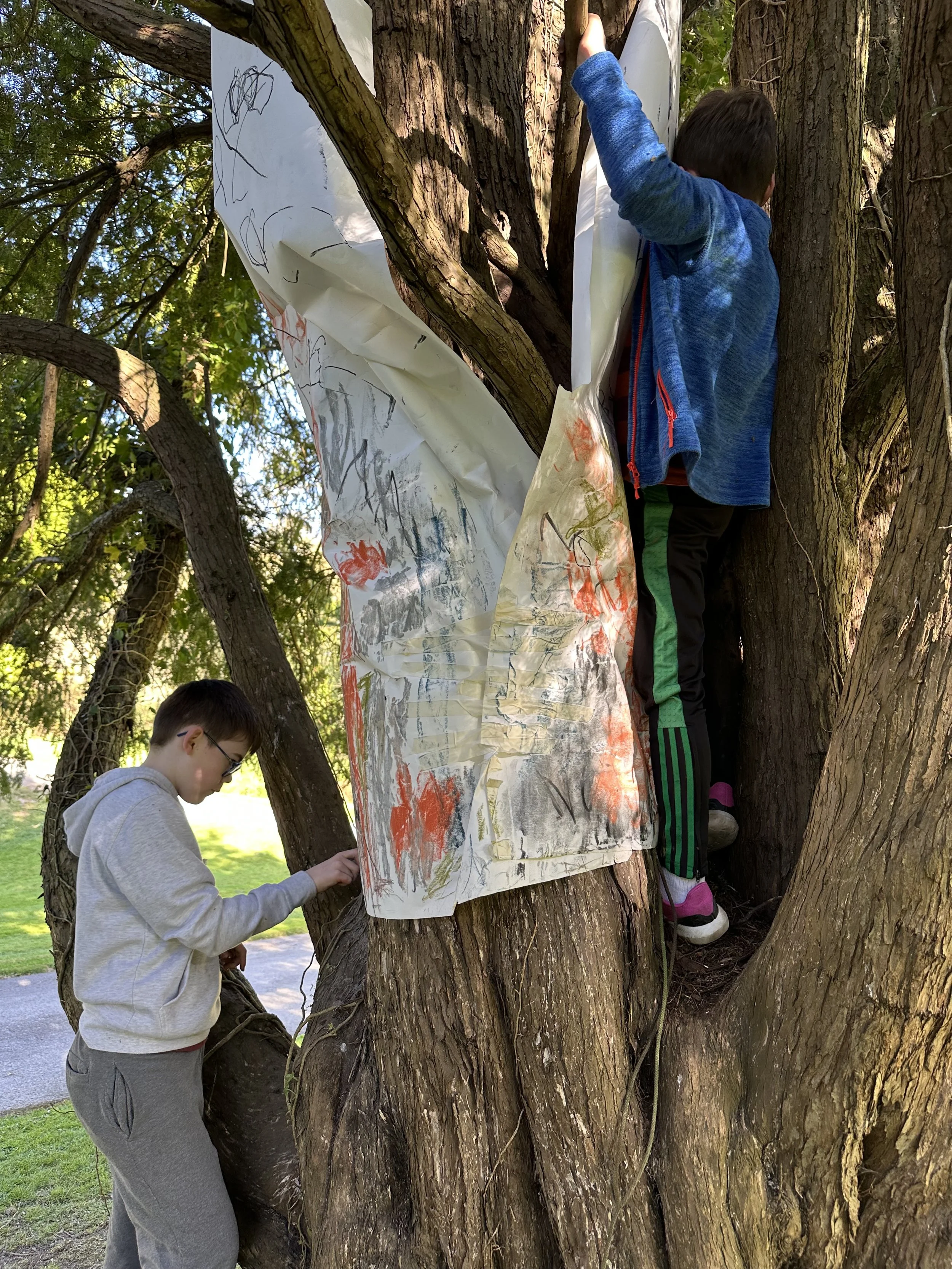
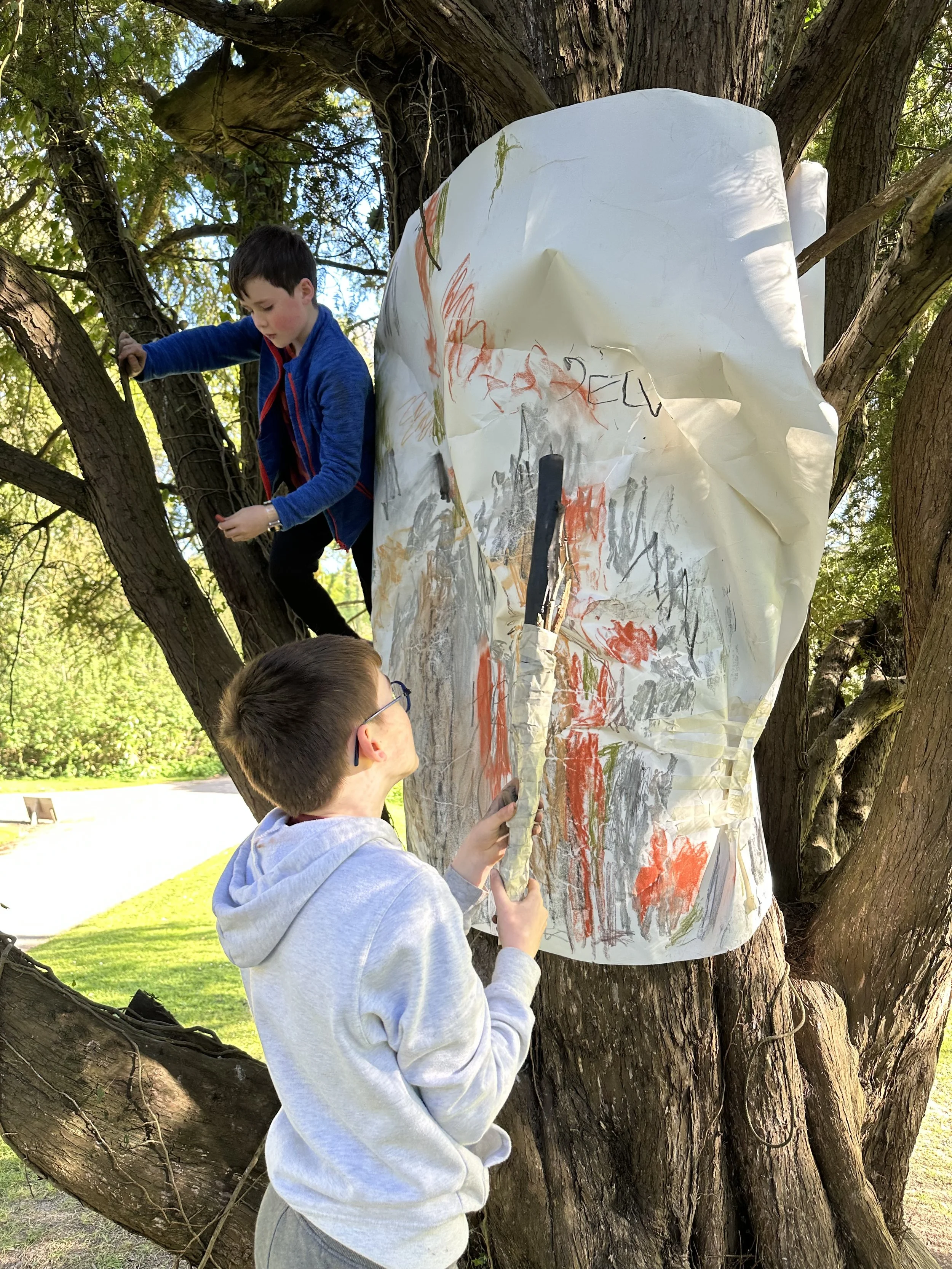
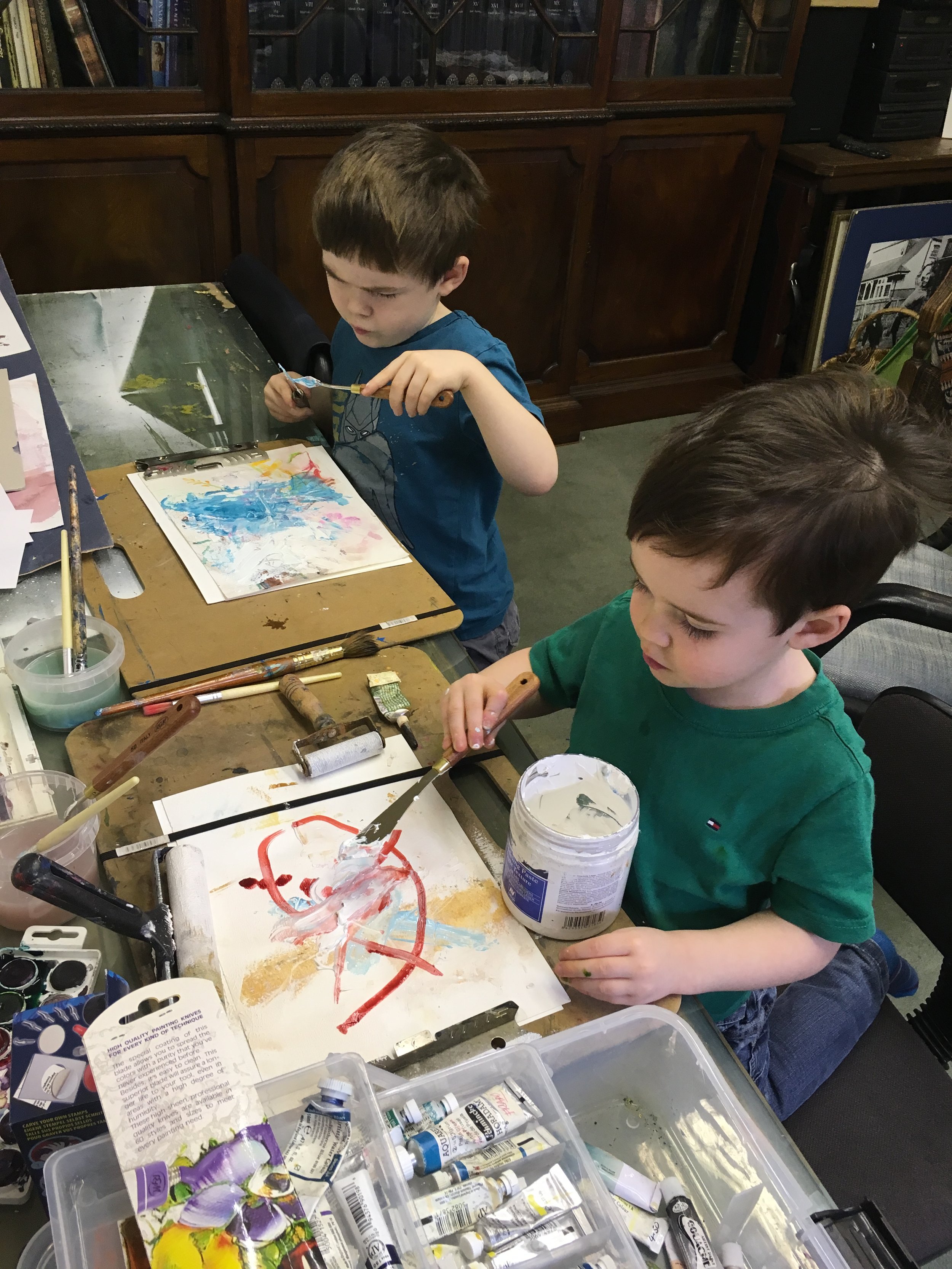
These hands-on abilities remain important in our increasingly digital world. We are hearing more and more about the drawbacks of excessive screen time and our dependence on phones and other devices. While technology is an essential part of modern life, there is also growing recognition of the value of stepping away from screens and engaging directly with materials, tools, and the physical world around us. Making something with your hands offers a different kind of learning and satisfaction that cannot be replicated digitally.Ultimately, I hope children who use my art resources develop an interest in creativity and discover joy in the processes they experience and the skills they learn along the way. Success, for me, would be seeing these resources reach the people who need them most and knowing that they have encouraged more children to explore, make, and imagine.
If I could change one thing about how creativity is taught in schools today, it would be to foster a more positive attitude towards it. Creativity should be recognised as an essential part of a child’s development rather than something that is overlooked or treated as less important than other subjects.